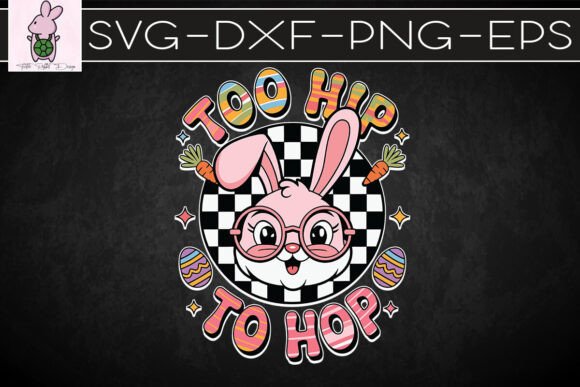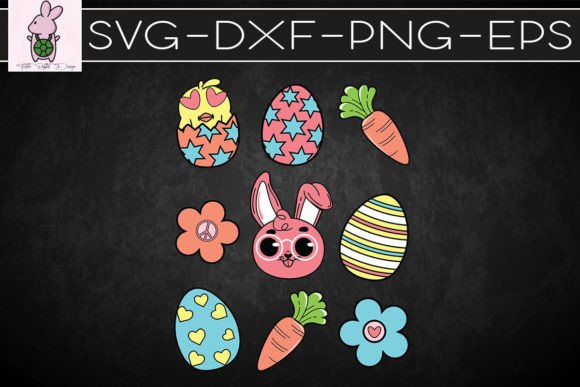
Retro Easter Bunny SVG: A Practical Embroidery Review
Most of the time, an embroidery design catches my eye because of a nostalgic mood, not because it promises to be the most technically intricate file in my library. That’s exactly what happened with the Retro Easter Bunny SVG. I was prepping a small batch of custom tea towels for a spring boutique order when this design landed in my preview window. The client wanted something that felt like a gently worn vintage Easter card, not a cartoonish bunny overload. I needed a design that would stitch out cleanly on a textured linen-cotton blend, hold its charm at a moderate hoop size, and make people smile before they even noticed the stitch quality. The Retro Easter Bunny SVG seemed to check those boxes, but I knew I had to look much deeper than a pretty screen preview. Here’s my honest, use-case-driven evaluation.
First Impressions: Shape, Mood, and Project Fit
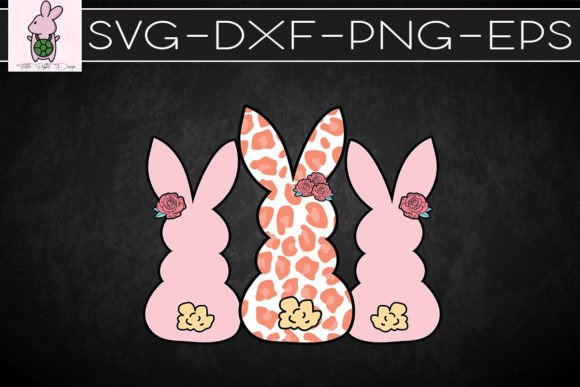
The moment I opened the Retro Easter Bunny SVG file, I felt a quiet, unhurried Easter energy. The bunny silhouette has a soft, slightly rounded posture, not angular or overly stylized. The ear placement, the gentle curve of the back, and the minimal facial detailing all point toward a mid-century storybook illustration rather than a modern, sharp graphic. This is a design that whispers “heirloom.” It instantly made me think of hand-embroidered pillowcases from decades ago and the kind of keepsake you’d find folded in a cedar chest.
For the tea towel project, that mood was perfect. The Retro Easter Bunny SVG doesn’t demand attention with loud lines or complex fills. Instead, it invites a closer look. The shape reads well at a glance, which is crucial when someone sees a finished product from across a craft fair booth or in an Etsy listing thumbnail. The layout is balanced without being stiff, and the negative space feels intentional, not empty. Even as a digital file, the design communicates a sense of softness that I knew would translate well into thread if I chose the right stitch type and density.
The description mentions the design is “cup-sized,” and while that phrase is often used for sublimation and mug designs, for embroidery it suggests a smaller, compact footprint. I immediately thought of patches, baby onesie chest embroidery, cap side panels, and the corner of a tote bag. Not every Easter design works at such a scale, but this one seemed built for it. The Retro Easter Bunny SVG holds its personality without needing a massive hoop, which is a huge plus for small shop owners who want to reduce stitch time and thread costs without sacrificing visual impact.
Is This Design Ready for Real Stitching?
Here’s where I shift from a designer’s eye to a production mindset. The files provided include SVG, PNG, and DXF formats. The SVG file is described as design software-friendly, and I found it imported cleanly into my embroidery digitizing software without broken paths or odd overlapping shapes. The high-resolution PNG with a clear background is a thoughtful addition—it’s immediately useful for creating printable mockups, Etsy listing images, or placement previews before you ever thread a needle. The multi-purpose DXF file hints at possible use for cutting machines, but for embroidery, it’s the SVG that becomes your starting point for digitizing.
One thing I always check with a retro-inspired design is whether the fine, nostalgic details will actually survive the stitch process. The Retro Easter Bunny SVG has a few delicate inner lines that suggest a whisker or a subtle ear fold. If you try to run those as a single running stitch on a textured fabric, they’ll disappear. But the beauty of a well-designed SVG like this is that you can adjust the stitch type during digitizing. I’d likely convert the faintest lines into a very light satin stitch or even a triple run, depending on the fabric and final size. The overall shape is forgiving enough that if you remove a tiny detail on a very small version, the design still reads immediately as a bunny.
In terms of visual clarity, the Retro Easter Bunny SVG offers a strong, unbroken outline. This is a gift for machine embroidery. A clear outer contour means you can use a satin stitch border for a badge-like finish, or you can fill the entire shape with a textured fill stitch and let the edge be defined by the fabric contrast. I tested a mental mockup on a cream linen tea towel with a soft taupe thread, and the design looked grounded, elegant, and shop-ready. On a dark fabric, like a charcoal sweatshirt, the same design would pop beautifully with a warm cream or pale pastel thread, creating a very different but equally marketable product.
Where Retro Easter Bunny SVG Shines Brightest
After spending serious time with the design, I can confidently say the Retro Easter Bunny SVG belongs on projects where the handmade feel is the selling point. Customers who buy embroidered Easter items aren’t usually looking for hyper-realistic renderings. They want a piece that feels made with care. This design delivers that. It works wonderfully on:
- Kitchen and tea towels – especially when paired with a simple spring border or a single initial.
- Baby onesies and toddler shirts – the rounded, soft shape is baby-appropriate and stitches out quickly.
- Canvas tote bags – placed in the lower corner or as a central motif, it adds boutique charm.
- Embroidered patches – the compact size and clean outline make it easy to create finished patches with a merrowed edge or a satin stitch border.
- Pillow covers and nursery decor – a single bunny or a repeated pattern can turn a simple cushion into a seasonal keepsake.
- Aprons and hostess gifts – the retro vibe works perfectly for a “garden party” aesthetic.
- Cap side panels – the small scale fits nicely on a structured cap, and the design doesn’t lose its identity when curved.
As a commercial embroidery asset, the Retro Easter Bunny SVG also gives you room to personalize. Adding a name, a short date, or a tiny floral accent next to the bunny is easy because the design doesn’t fill the entire hoop area. This flexibility is gold for Etsy sellers and craft business owners who want to offer customized products without digitizing a completely new file every time. The high-resolution PNG is also perfect for creating digital mockup previews that look polished and professional, which builds buyer trust and speeds up the listing process.
Where You Should Proceed with Extra Caution
No design is perfect for every situation, and the Retro Easter Bunny SVG is no exception. If you’re planning to stitch this on a very small hoop, say under 3 inches, you’ll need to test the digitized version carefully. The smallest inner details might need to be simplified or omitted to avoid thread buildup and messy satin stitch edges. I’d also be cautious on highly textured fabrics like terry cloth or chunky knit sweaters. The design’s soft charm can get lost if the fabric surface fights the stitch definition. A heavy cutaway stabilizer can help, but the visual result may still be less crisp than you’d like.
On dark fabrics, pay close attention to thread color choice. The Retro Easter Bunny SVG relies on a gentle, nostalgic feel, and if you use a thread that’s too bright or too cool-toned, you might lose that vintage softness. Always test on a scrap of the exact fabric you’ll use for the final product. I also recommend checking how the design looks in a black-and-white mockup; if the silhouette loses its shape when the color is removed, then the stitch contrast needs to be adjusted. For stretchy fabrics like lightweight jersey, a good no-show mesh stabilizer is non-negotiable, and you may need to slightly increase the stitch density to prevent gaps when the fabric stretches.
Curved surfaces, like the front of a cap, can distort the ear shape if the design isn’t adjusted for the curve. While the Retro Easter Bunny SVG is small enough to fit, you’ll want to digitize with a slight arc or use cap-specific hooping techniques to maintain the bunny’s balanced proportions. These are standard embroidery considerations, not flaws in the design itself, but they’re worth mentioning because the end result is what your customer sees.
How the Design Affects Your Finished Product and Business
When I evaluate a design file, I’m not just looking at stitch quality. I’m thinking about how the finished product will feel in a customer’s hands, how it will photograph for an Etsy listing, and whether it communicates a cohesive brand story. The Retro Easter Bunny SVG adds a layer of quiet professionalism to a handmade product. It doesn’t look like a quick, mass-produced decal. It looks like something a person chose with intention. That perception directly influences perceived value, and it’s the difference between a $12 tea towel and a $28 boutique tea towel set.
For craft business owners, consistency is key. If you use this design across a collection—say, a matching tea towel, a small zippered pouch, and a framed hoop art piece—the retro mood ties everything together. Customers recognize the visual language, and that recognition builds trust and repeat sales. The Retro Easter Bunny SVG also has a timeless quality that isn’t tied to a specific trend. Easter comes every year, and a design that feels classic rather than trendy will sell season after season without becoming dated.
As a digital product seller, the included high-resolution PNG and SVG files give you immediate assets for listing previews, social media posts, and even printable mockups that match the final embroidered product. This coherence between your digital presentation and your physical product reduces buyer hesitation and returns. The clear background on the PNG means you can place the design on a photo of a blank tote bag or a onesie and give a realistic preview without extra editing work. That’s a small but meaningful time-saver for busy makers.
Practical Embroidery Notes Before You Start
I always run a checklist before committing a design to a client project, and the Retro Easter Bunny SVG is no different. Here are the steps I follow and recommend:
- Test on an identical fabric scrap. Don’t assume the first digitized version will look right on linen, canvas, or cotton. Stitch it out, wash it, and see how it holds up.
- Check thread color contrast. Soft pastels can look washed out on a light background. Use a slightly darker shade for the outline if needed, but keep the retro feel intact.
- Review stitch density. A design that’s dense enough to look rich without causing puckering is the goal. If the test piece feels stiff, reduce the density slightly.
- Confirm your hoop size. Since the description mentions “cup-sized,” measure the actual digitized design dimensions. Make sure it fits comfortably in your most-used hoops.
- Inspect the small details. Zoom in on the digitized file and look for any tiny isolated stitches that might trim badly or cause thread breaks. Simplify where necessary.
- Test in black and white and on light and dark fabric. The design should hold its shape across all backgrounds.
- Use the right stabilizer. For woven fabrics, a medium cutaway works well. For knits, add a topper if the design has any exposed fill stitches.
- Verify commercial use rights. The listing mentions SVG, PNG, and DXF files, but I always check the specific license terms before selling finished products. If the license isn’t clear, reach out to the seller.
The Retro Easter Bunny SVG is a design that rewards a thoughtful approach. It’s not a file you rush through; it’s a file you sit with, adjust, and let breathe. The result, when done right, is a finished product that feels personal, nostalgic, and entirely professional. Whether you’re stitching a single baby gift or a batch of fifty boutique items, this design helps you deliver that “something special” feeling that handmade shoppers are searching for every spring.